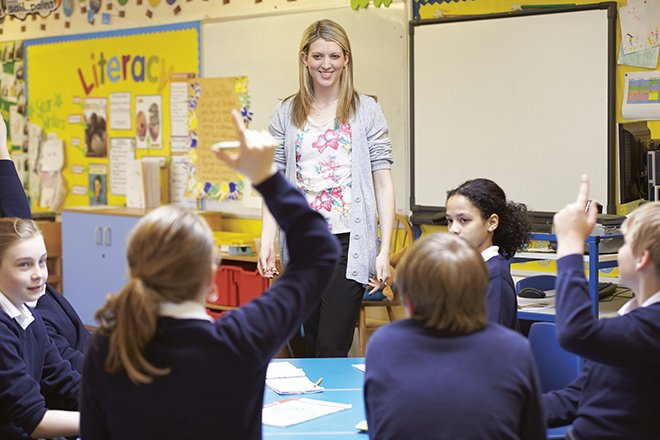
The Corona crisis has profound impacts for societies all over the world, as governments try to slow the progress of the virus through unprecedented measures that severely limit people’s mobility and opportunities for joining in physical spaces. This has, of course, profound implications for education. The crisis has resulted in closed schools, most if not all informal education providers such as science museums and centers are closed too, and academic institutions all over Europe are working exclusively through distance education. These developments fundamentally alter the context of “open schooling” among the SEAS local networks.
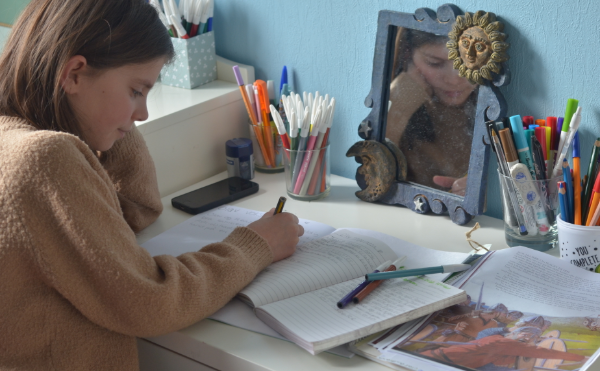
In Norway, children are taught at home through lesson plans and interactive online teaching. In some narrow formulations, such “distance teaching” could be seen as an implementation of open schooling at a global scale. In that sense, open schooling has gone viral! Everywhere parents, families, educators and communities are having to deal with a new context in which education needs to happen out of the school, though in very restricted circumstances too.
But that education is happening through distance is not the only important side to open schooling. In these troubled times of the pandemic, and even more in the recovery phase, other aspects are the most appealing and interesting. Most characteristic in SEAS’ definition of open schooling is the premise that, in open schooling, schools in cooperation with other stakeholders become agents of social change and community well-being, where students engage in real-life inquiries and practical action in collaboration with other stakeholders.
Education for the future
The point of open schooling here is not only to explore new ways of allowing for learning and knowledge mobility across context- an absolutely important task- but also to do so with and for the societal contexts of relevance within which education is embedded. This is of crucial importance because an education of and for the future, first of all, needs to be relevant to the changing needs of a changing world and provide students with learning experiences that enable them to participate in the present and take action to shape the future.
One immediate reality of the Covid-19 pandemic is that community well-being is severed in multiple ways, including physical distancing and the closing down of educational institutions’ buildings. In this regard, students, educators, family and community members everywhere today find themselves having to deal not just with finding ways to educate at distance, but also with finding ways to do so in collaboration and solidarity with others.
Learning as a way to cope
In this context, citizens all over Europe are finding out how do deal with large-scale changes imposed on their local communities that have implications for their personal, everyday life. They are also witnessing and most likely experiencing the fear and anxiety-in particular but not limited to with regards to vulnerable groups-that come with such changes.
As we jointly look for and find ways to continue learning and educating as part of our ways to cope with this challenge, schooling is literally opening, widening its horizons in ways that we may otherwise not have been able to imagine.
At some stage, society at large, communities and individuals, as part of the recovery, will rebuild the fabrics of society and local communities. Then the experiences will become resources for transformative changes that are not imposed by the threat of a pandemic, but which will be seen as necessary for a better and sustainable world.
This is the new context for SEAS, not imagined only a few months ago. Our ambition is to be part of the recovery by finding new practices and gaining new knowledge.