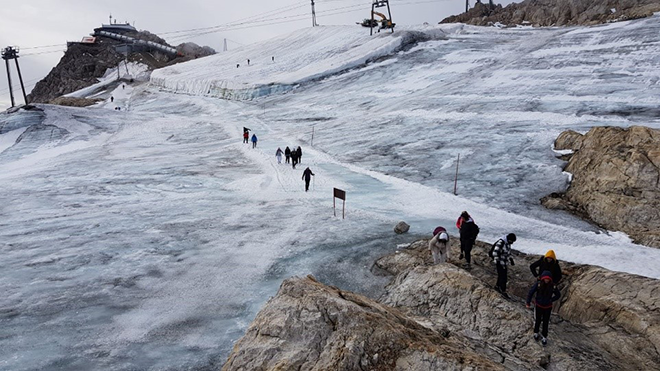
Usually, as part of the school intervention, the students, who are part of the local network have the possibility to pass together with scientists and further out-of-school experts, five days in a High Alpine Mountain Area at the end of the school year.
Within this environment the students have the possibility to work together with experts on emerging research questions on climate change in the fields of tourism, environmental ethics, glacier, soil and vegetation. However, due to the measures of the Austrian government and the Ministry of Education it was not allowed to carry out the Alpine Research Weeks this year.
A new learning setting
Due to the outstanding situation, we took the opportunity to create a new authentic learning setting.
In 2019 the city of Innsbruck declared the climate emergency. We pretended that the community government of the city of Innsbruck wanted to involve the citizens, especially the young citizens, who are the decision makers of the future, in the elaboration of measures against climate change. In an in-school intervention, we asked the students to develop measures for the city of Innsbruck.

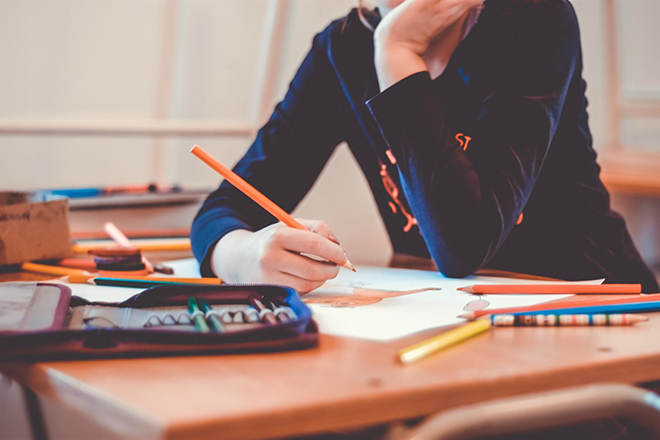
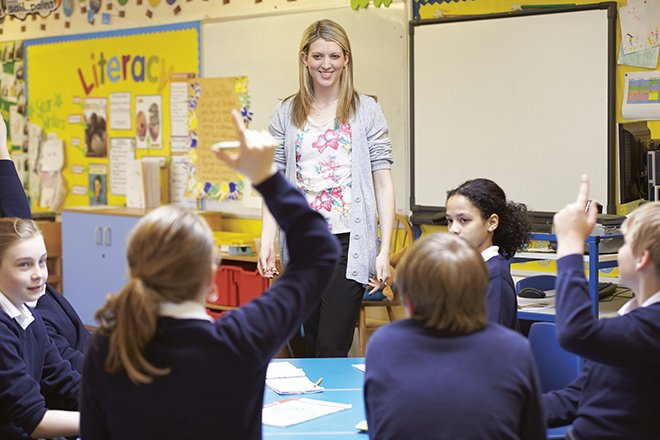
Basing on moderate constructivist theories, the students were open in relation to the topic they selected and in the form of elaboration. They had two school lessons to elaborate the first idea. In order to motivate the students to continue working on their first idea and to show them that their opinion is important, we promised them to get the possibility to present their idea to relevant politicians of the community and the Tyrolean government next year.
Interesting first ideas and possibilities for implementing measures already emerged in two school lessons. The majority of students focused on regional and ecological alimentation, as well as on mobility (see picture 1).
Tracking the ecological footprints
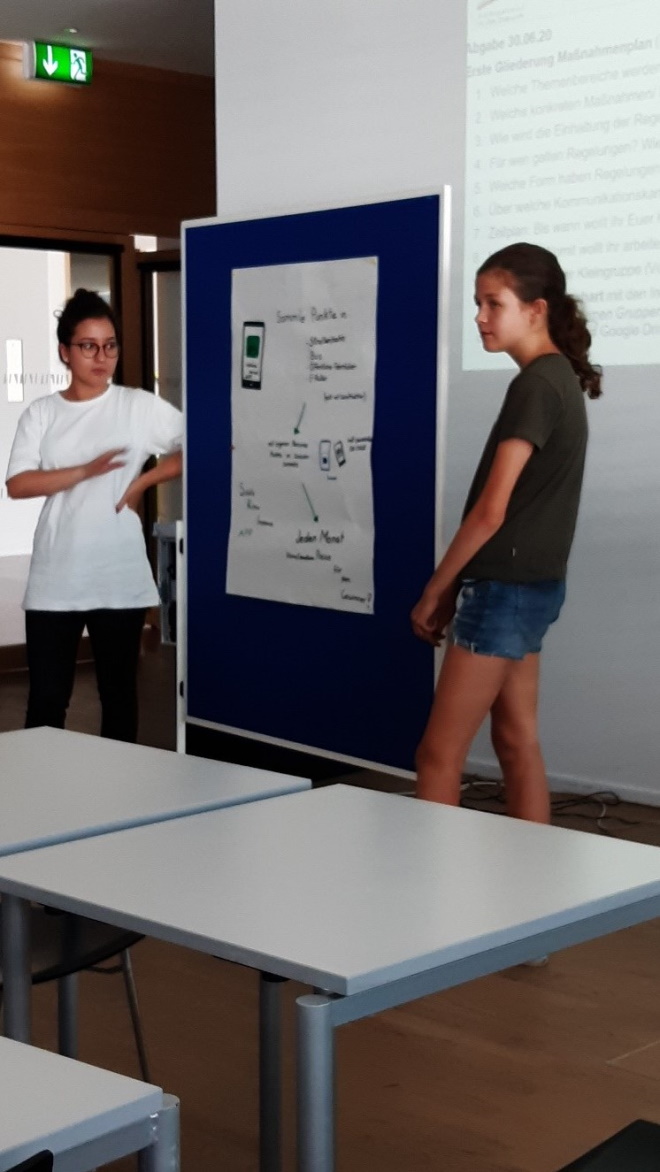
One group even invented a mobility app which tracks the personal ecological footprint relating to mobility of the citizens and which awards a price to the persons which mostly uses public transport or bike (see picture 2).
We are curious how the ideas are evolving during the year!